Chasing Points, Losing Ground: The Hidden Economics of Australian Loyalty Programs
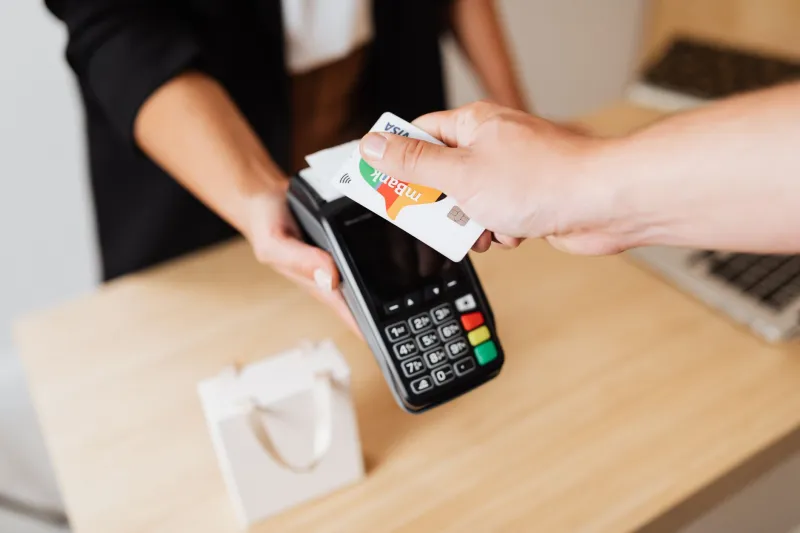
Australia has one of the highest loyalty program participation rates in the world. Flybuys alone claims more than eight million active members. Qantas Frequent Flyer sits at over fourteen million. Add Woolworths Everyday Rewards, various hotel schemes, credit card points ecosystems, and a constellation of retail membership tiers, and the average Australian household is enrolled in somewhere between four and seven programs at any given time.
The premise is simple and appealing: spend money you were going to spend anyway, collect points, and eventually redeem them for something valuable. It sounds like a straightforward win. The reality, examined carefully, is considerably more complicated.
The Accumulation Illusion
Points feel like savings because they accumulate visibly. Every receipt, every tap of a loyalty card, every linked credit card transaction adds a small number to a balance that is always growing. That visible growth triggers the same psychological reward loop as a savings account — with one critical difference. A savings account holds real, stable currency. A points balance holds a unit of value that the issuing company can devalue, restrict, or expire at any time.
And they do. Qantas has adjusted its points-to-reward ratios multiple times over the past decade, typically requiring more points for the same redemption. Flybuys periodically restructures its earn rates across partner retailers. When these changes occur, they are communicated through terms and conditions updates that most members never read.
The result is a form of silent devaluation. The number in your account stays the same; the purchasing power behind it quietly shrinks.
Redemption Rates Tell the Real Story
Industry analysts estimate that a significant proportion of loyalty points issued in Australia are never redeemed. Estimates vary, but research from the loyalty consultancy sector suggests that somewhere between twenty and thirty percent of all points earned expire without being used. For the companies issuing those points, unredeemed balances represent a direct financial gain — a liability on their books that quietly dissolves.
For consumers, the math is often unflattering even when redemption does occur. Consider a common scenario: earning one Qantas point per dollar spent on a linked credit card, then redeeming those points for a domestic flight. When you account for the card's annual fee, the spending required to accumulate enough points for a meaningful redemption, and the fact that the same flight might be purchased outright for less than the implied value of those points, the return on investment frequently falls below what a simple cashback card would deliver.
This is not a theoretical edge case. For many Australians, particularly those who do not spend heavily on categories with elevated earn rates such as international flights or premium grocery shops, the economics simply do not add up.
The Expiry Problem Nobody Talks About
Expiry conditions vary widely and are frequently misunderstood. Some programs expire your entire balance if you do not make a qualifying transaction within a set period — often twelve or eighteen months. Others expire points in batches, on a rolling basis, without sending prominent notifications.
For consumers with modest balances or infrequent shopping patterns, expiry can erase months of accumulated spending in a single administrative sweep. The notification, when it arrives at all, often comes too late to act upon.
This is not accidental. The structure of expiry conditions is deliberately calibrated to reduce redemption liability while maintaining member engagement. Keeping you enrolled — and therefore continuing to track your spending data — is valuable to the program operator even if you never redeem a single point.
Fee-Bearing Loyalty: When Membership Costs You Money
Some loyalty programs are bundled with financial products that carry direct costs. Premium credit cards marketed on the strength of their points earn rates typically charge annual fees ranging from $150 to over $700. To justify that fee through points value alone, a cardholder must spend heavily enough and redeem strategically enough to extract more value than the fee consumes.
For high-income earners who travel frequently and understand the redemption landscape, this calculation can work in their favour. For the broader population of Australians using these cards for everyday grocery and petrol spending, the arithmetic is rarely as generous as the marketing suggests.
There is also a subtler cost: the spending behaviour these programs encourage. Research consistently shows that people spend more when transacting through a loyalty-linked mechanism. The prospect of earning points creates a psychological permission structure around purchases that might otherwise be scrutinised more carefully. This is not a flaw in the program design — it is the point of it.
How Fintech Tools Are Changing the Calculation
A growing number of Australian fintech platforms and personal finance apps are beginning to address this gap by helping users audit their loyalty memberships objectively. Rather than simply tracking points balances, these tools analyse actual spending patterns, calculate the effective return on points earned, and flag whether a loyalty-linked financial product is delivering value relative to its cost.
Some platforms now offer side-by-side comparisons between a user's current loyalty card arrangement and alternative cashback or low-fee options, presenting the difference in concrete dollar terms rather than abstract point units. This kind of transparency is particularly useful for Australians who enrolled in a program years ago and have never revisited whether it still serves their financial interests.
Digital wallet infrastructure also plays a role here. As more Australians consolidate their payment activity through a single app or platform, it becomes easier to generate a complete picture of where money is going and what, if anything, is coming back from loyalty arrangements. The aggregated view that digital payment tools provide is precisely what loyalty programs historically relied on consumers not having.
A More Disciplined Approach to Rewards
None of this is to say that loyalty programs are without merit. For specific consumer profiles — frequent interstate travellers, high-volume grocery shoppers in the right postcode, business owners with significant card expenditure — carefully chosen programs can deliver genuine value. The key word is chosen, rather than defaulted into.
A more deliberate approach involves several straightforward steps. First, audit every program you are currently enrolled in and determine whether you have earned and redeemed anything of value in the past twelve months. Second, calculate the actual annual cost of any fee-bearing card or membership associated with those programs. Third, compare that cost against the dollar value of what you have actually redeemed — not what you theoretically could redeem.
If the result is a net negative, that is useful information. It does not necessarily mean cancelling every membership immediately, but it does mean making a conscious decision rather than continuing by inertia.
The Bottom Line
Australia's loyalty program industry is large, sophisticated, and structured to benefit its operators as much as — and often more than — its members. The points are real, but the value they represent is conditional, mutable, and frequently overstated in marketing materials.
For Australians seeking genuine financial efficiency, the most productive move is to treat loyalty programs as what they are: a supplementary benefit that may or may not justify the spending patterns and fees they require. Evaluated honestly, many will not pass the test. Evaluated with the help of modern payment and finance tools that surface the real numbers, that conclusion becomes much easier to reach.
Smart payments are not just about how you spend — they are about understanding what you are getting in return.